
Table of Contents
- Why Lifestyle Changes Matter for Treatment-Resistant Depression
- How Lifestyle Changes Complement Medication and Therapy
- 1. Build a Consistent Sleep Routine: Sleep Hygiene for Mood Disorders
- 2. Move Your Body: Exercise as One of the Best Adjunctive Therapies for Depression
- 3. Stabilize Blood Sugar Through Nutrition
- 4. Rebuild Social Connection and Daily Structure
- 5. Track Symptoms and Work With Your Prescriber
- When to Seek Professional Help Beyond Lifestyle Changes
- Frequently Asked Questions
Last Updated: September 17, 2026
Why Lifestyle Changes Matter for Treatment-Resistant Depression
Treatment-resistant depression is a form of major depressive disorder that does not improve adequately after trying at least two different antidepressant medications at appropriate doses and durations. When standard pharmacotherapy falls short, many people understandably feel stuck. That is where lifestyle changes come in, not as a replacement for medical care, but as adjunctive therapies that can meaningfully support mood stability.
The honest answer is that lifestyle factors alone rarely resolve treatment-resistant depression.
How Lifestyle Changes Complement Medication and Therapy
Lifestyle changes work alongside pharmacotherapy and psychotherapy, not instead of them. The American Psychiatric Association’s clinical guidance on depression emphasizes that treatment planning should address the whole person, including sleep, activity, nutrition, and social factors.
1. Build a Consistent Sleep Routine: Sleep Hygiene for Mood Disorders
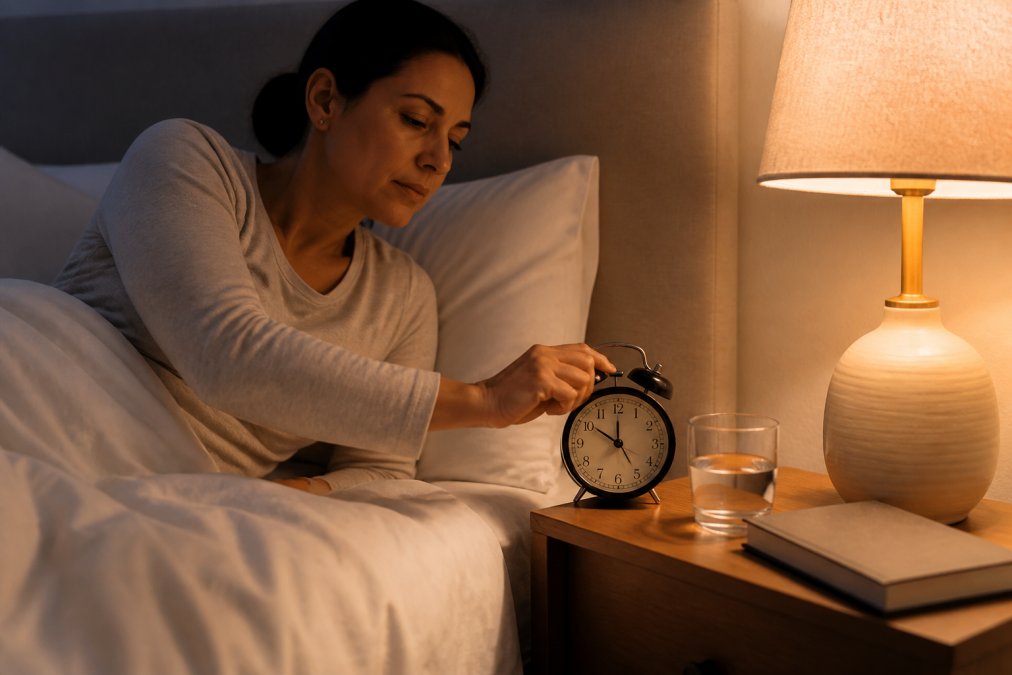
Sleep hygiene for mood disorders means creating a predictable sleep-wake schedule and environment that supports restorative rest. Disrupted sleep is both a symptom and a trigger of depression, which makes it one of the most important targets for change.
Practical Steps to Improve Sleep Tonight
- Set a fixed wake time, even on weekends, and work backward to a consistent bedtime
- Dim lights and put screens away 60 minutes before bed
- Keep the bedroom cool, dark, and reserved for sleep
- Avoid caffeine after early afternoon and alcohol close to bedtime
2. Move Your Body: Exercise as One of the Best Adjunctive Therapies for Depression
Exercise is one of the most studied adjunctive therapies for depression, and the evidence supports its role in reducing symptoms when combined with standard care. You do not need intense workouts to benefit.
3. Stabilize Blood Sugar Through Nutrition
Blood sugar swings can mimic or worsen psychiatric symptoms, including irritability, anxiety, and fatigue. The mechanism is fairly direct: when glucose drops after a spike, the body releases cortisol and adrenaline, which can trigger palpitations, shakiness, and a mood crash that feels indistinguishable from an anxiety episode. For someone already managing treatment-resistant depression, that crash can be misread as a medication failure rather than a dietary pattern.
- Regular meal timing. Aim to eat within an hour of waking and then every four to five hours. Skipping breakfast and then eating a large, carbohydrate-heavy lunch is a common trigger for an afternoon crash.
- Protein at each meal. A palm-sized portion of eggs, Greek yogurt, poultry, fish, tofu, or legumes slows glucose absorption and supports the amino acids your brain needs for neurotransmitter production.
- Fiber and healthy fats. Vegetables, whole grains, nuts, olive oil, and avocado blunt the spike-and-crash curve that refined carbohydrates create.
- Limiting highly processed foods. Sugary drinks, white bread, and packaged snacks digest quickly and set up the cycle described above.
A Unique Angle Competitors Skip: Nutrition and Psychiatric Medications
Most guides stop at “eat balanced meals.” That advice ignores a real problem for people on multiple prescriptions: appetite changes, nausea, and dry mouth are common side effects, and they can quietly undermine nutrition. Two specific issues are worth knowing:
- MAOIs and tyramine. Older antidepressants in the monoamine oxidase inhibitor class require dietary restrictions, particularly aged cheeses, cured meats, fermented foods, and some tap beers, because tyramine can trigger a hypertensive crisis. If you take an MAOI, ask your prescriber for a written food list rather than relying on memory.
- Lithium and sodium. Lithium levels are sensitive to sodium and fluid intake. Sudden changes in salt consumption or hydration, common when someone starts a new “clean eating” plan, can push lithium levels out of range. If you take lithium, tell your prescriber before making major dietary changes.
Keep a simple three-day food and mood log before your next appointment. Patterns between what you ate and how you felt two to three hours later are often more useful to your prescriber than a general description of your diet.
4. Rebuild Social Connection and Daily Structure
Depression thrives in isolation. Rebuilding even small social connections and a predictable daily structure gives the brain signals of safety and purpose, both of which support mental health stability.
5. Track Symptoms and Work With Your Prescriber
Symptom tracking turns vague feelings into usable data for your prescribing physician. A simple daily log of mood, sleep, energy, side effects, and medication timing helps your care team adjust your treatment plan with real information instead of guesswork.
How to Improve Treatment-Resistant Depression Symptoms With a Symptom Log
Use a simple format you will actually keep. Rate mood and sleep from 1 to 10 each day, note any missed doses, and record side effects as they occur. Bring the log to every appointment. This practice supports medication reconciliation, helps identify patterns, and gives your provider the detail needed for dosage titration decisions.
Digital Health Tools That Make Tracking Easier
Most guides mention apps in passing. Here is what actually works, and what to watch for:
- Medication reminder apps. Features to look for include customizable schedules for multiple daily doses, refill reminders, and the ability to export a medication list as a PDF for appointments. Free options exist, but check whether the app stores data locally or in the cloud.
- Mood and symptom trackers. Look for apps that let you rate multiple dimensions (mood, sleep, anxiety, side effects) on the same screen, since single-metric trackers tend to get abandoned. Weekly summary charts are more useful to a prescriber than raw daily entries.
- Privacy considerations. Health data is sensitive. Under the Health Insurance Portability and Accountability Act, your clinical provider is bound by strict privacy rules, but consumer apps often are not. Read the privacy policy and prefer apps that offer passcode or biometric lock and do not sell data to third parties.
- Paper still works. A printed weekly tracker kept on the refrigerator is often more consistent than an app, especially during depressive episodes when phone use feels overwhelming. There is no wrong format if you actually use it.
Managing the Cost of Long-Term Psychiatric Care
Cost is one of the most common reasons people stop treatment, and it is rarely addressed in lifestyle guides. A few practical levers:
- Generic alternatives. Many antidepressants and mood stabilizers are available as generics at a fraction of brand-name prices. Ask your prescriber whether a generic equivalent exists for your regimen.
- Manufacturer patient assistance programs. Most brand-name psychiatric medications have assistance programs for people who meet income criteria. Applications are usually on the manufacturer’s website and require income documentation.
- Pharmacy discount programs. Large chain pharmacies and membership warehouse clubs often have discount formularies that beat insurance copays for common generics.
- Insurance formulary review. If a medication is not covered, ask your prescriber to document medical necessity or request a prior authorization. This is a routine process, not an unusual request.
What to Do If You Miss a Dose or Need to Stop
Most guides focus on starting and taking medications. The harder question is what happens when you miss a dose or need to discontinue. The answer depends on the drug:
- Missed doses. For most antidepressants, a single missed dose is not dangerous, but some medications, particularly those with short half-lives like venlafaxine, can cause withdrawal symptoms within hours. Do not double up unless your prescriber tells you to.
- Discontinuation syndrome. Stopping an antidepressant abruptly can cause dizziness, flu-like symptoms, insomnia, and mood worsening. This is not a sign of addiction; it is a physiological response to removing the drug. Tapering under medical supervision is the standard approach.
- Never stop on your own. If you want to stop a medication, tell your prescriber. A gradual taper over weeks or months is often possible, and your provider can monitor for relapse.
Never stop or change a psychiatric medication on your own. Discontinuation without medical guidance can cause withdrawal symptoms and rapid relapse. Always work with your prescriber.
Routine Reassessment and Follow-Up
Treatment-resistant depression requires ongoing review, not a one-time prescription. Ask your provider how often your plan will be reassessed, what markers would prompt a change, and what your options are if the current regimen is not working after an adequate trial. A good care team welcomes these questions.
When to Seek Professional Help Beyond Lifestyle Changes
Lifestyle changes support recovery, but they are not a substitute for psychiatric evaluation and ongoing care. Seek professional help if symptoms persist, worsen, or include thoughts of self-harm. Those are signs that your treatment plan needs review by a qualified provider.
Frequently Asked Questions
Can lifestyle changes really help with treatment-resistant depression?
Lifestyle changes are not a replacement for medical treatment, but they can support it. Research on treatment-resistant depression shows that exercise, sleep regulation, nutrition, and social connection can influence mood and energy levels. These changes work best alongside medication, therapy, or procedures recommended by your prescriber. A psychiatrist can help you decide which changes are realistic and safe for your situation.
How does sleep hygiene for mood disorders impact treatment-resistant depression?
Sleep and mood share a close relationship. Irregular sleep can worsen fatigue, irritability, and low motivation, which are common in treatment-resistant depression. Sleep hygiene for mood disorders includes a consistent bedtime, limiting screens before bed, keeping the room cool and dark, and avoiding caffeine late in the day. These habits support the nervous system and may improve how well other treatments work.
What are adjunctive therapies for depression and do I need a referral?
Adjunctive therapies for depression are treatments added alongside your main medication or therapy. They can include structured exercise programs, cognitive behavioral therapy for insomnia, light therapy, and mindfulness-based practices. Some require a referral from your prescribing physician, while others you can start on your own. Talk with your psychiatric provider before adding anything new, especially if you take multiple medications.
How do I know if my lifestyle changes are actually helping?
Tracking your symptoms is the most reliable way to know. Keep a simple daily log of sleep hours, mood rating, energy level, and any side effects. After four to six weeks, review the log with your prescriber. Small improvements in sleep or energy often show up before mood shifts. If nothing changes or symptoms worsen, your treatment plan may need adjustment.